Most people think of stress as one thing: a bad day, a tough workout, poor sleep, or a difficult conversation. the biggest fitness myths.
That’s not how your body experiences it.
Your body doesn’t care where the stress is coming from—it just adds it up.
This total load is called allostatic load—the cumulative burden of physical, emotional, and environmental stressors over time.
What Counts as Stress? (More Than You Think)
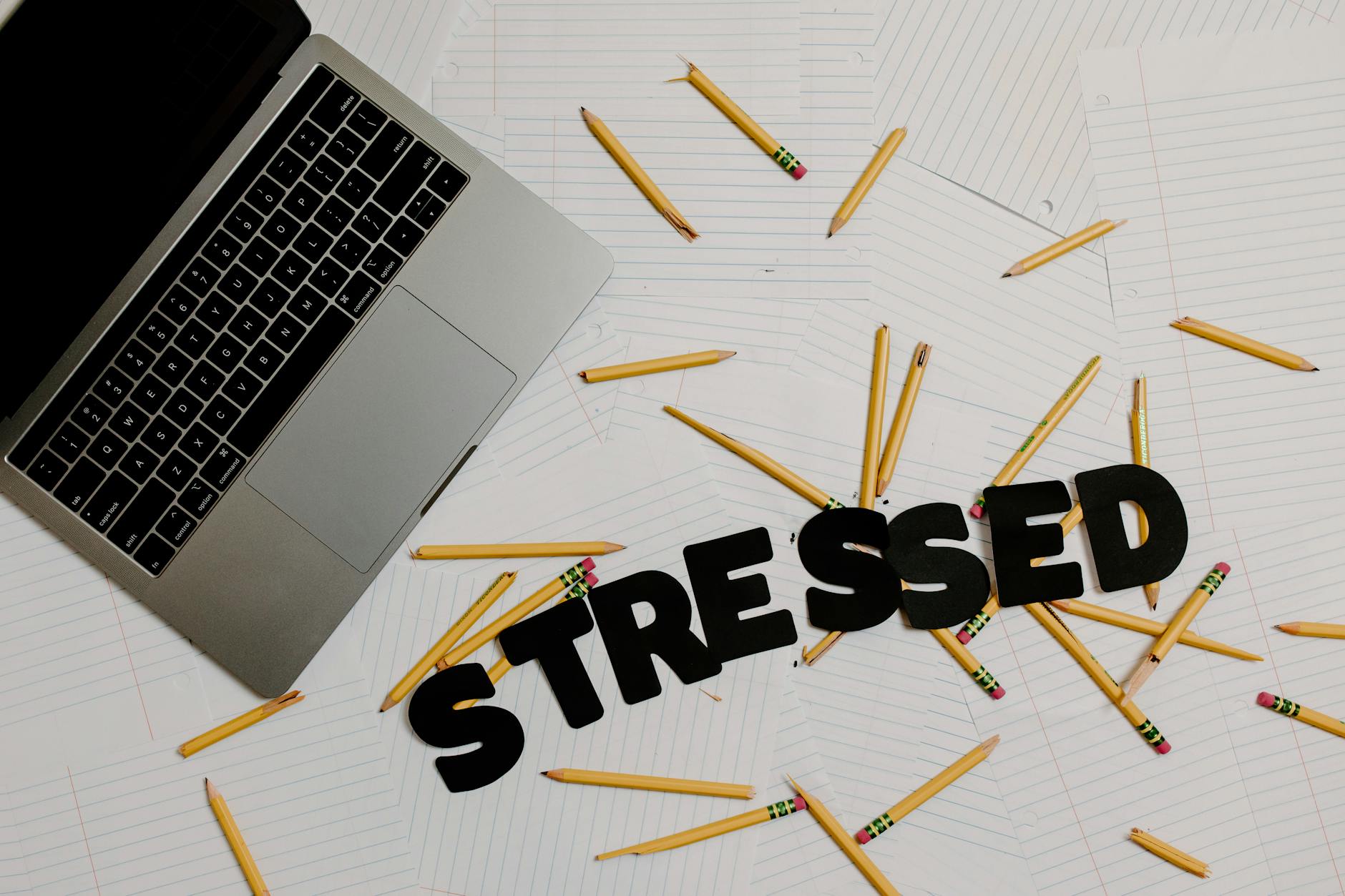
Stress isn’t just deadlines or arguments. It includes:
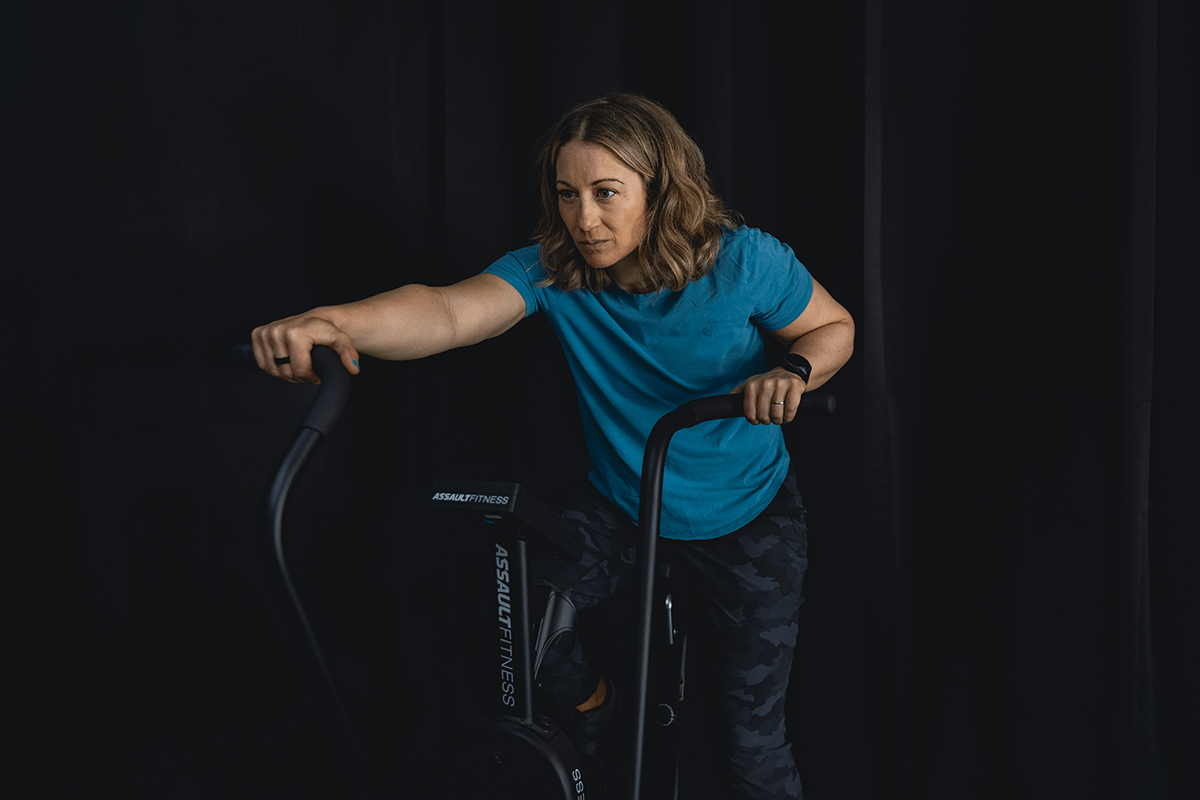
- Intense workouts without adequate recovery
- Undereating or inconsistent nutrition
- Poor sleep or disrupted sleep cycles
- Emotional strain (relationships, work, family)
- Blood sugar spikes and crashes
- Chronic inflammation
- Constant stimulation (phones, noise, always “on”)
Individually, these may seem manageable.
Combined? They create a load your body has to constantly deal with.
Why This Matters for Your Goals
I see this all the time—clients doing everything “right” on paper.
Walking 12–15k steps a day.
Lifting 4–5 times a week.
Eating clean.
And still not seeing the scale move or feeling leaner.
One client in particular was frustrated because she felt like she couldn’t do anything more. When we actually looked closer, she hadn’t had a true recovery day in weeks, was slightly under-eating, and her stress outside the gym was high.
Nothing was “wrong”—but everything was adding up.
High allostatic load can lead to:
- Increased fat storage (especially around the midsection)
- Elevated cortisol → harder recovery and poorer sleep
- Increased hunger and cravings
- Lower energy and motivation
- Plateaus despite high effort
You’re not stuck because you’re lazy—you’re overloaded.
The Trap: Doing More Isn’t Always Better
When results stall, most people respond by:
- Training harder
- Eating less
- Adding more cardio
That usually just adds more stress—and makes the problem worse.
How to Reduce Your Allostatic Load
This is where progress actually starts.
1. Regulate Training Intensity
- Not every workout should leave you drained
- Balance hard days with actual easy or recovery days
2. Eat Consistently (Not Perfectly)
- Undereating is a stressor
- Focus on regular meals with protein, fiber, and healthy fats
- Avoid big swings between “super clean” and “off track”
3. Stabilize Blood Sugar
- Pair carbs with protein and fat
- Avoid long gaps without eating
- A short walk after meals goes a long way
4. Protect Sleep Like It Matters (Because It Does)
- Keep sleep and wake times consistent
- Reduce screen time before bed
- Don’t rely on “catching up” later
5. Create Actual Downtime
- Your system needs time where nothing is being demanded of it
- Walk without your phone
- Slow things down on purpose
6. Stop Thinking Stress Is Just Mental
- Your body doesn’t separate physical, nutritional, and emotional stress—it all counts.
A Better Approach
Instead of asking:
“What more can I do?”
Start asking:
“Where can I take some load off?” Because progress isn’t just about doing more—it’s about what your body can actually handle
Bottom Line
If your system is overloaded, your body will prioritize survival over fat loss or performance.
When you reduce total stress, things start working again.
If you’ve been doing all the right things and still feel stuck, this is probably the piece you’re missing.
Take a minute to think about where your stress might be coming from.
If you want help sorting through it, I’m here—reach out anytime.
Your Turn
What’s one thing you do that actually helps you decompress or reset?
Not what you think you should do—what actually works for you.
Reply or comment and share it. You might give someone else an idea they hadn’t thought of.
Helping you cut through the noise and focus on what matters,
Chris