When it comes to health, most people focus on nutrition and exercise. But there’s a third pillar that often gets ignored — sleep.
Most people think health is built from nutrition and exercise. But there’s a third pillar that’s just as powerful—and often forgotten: sleep.
Quality sleep isn’t just “rest.” It’s when your body repairs, resets, and prepares you to show up with energy, focus, and resilience the next day. Sleep influences nearly every system in your body, including hormones, metabolism, muscle recovery, and emotional health.
And here’s something important before we go further:
This isn’t about perfect sleep.
Most people don’t sleep perfectly all the time—and stressing about sleep often makes it worse.
What matters is nudging yourself toward more supportive habits, not achieving flawless 8-hour nights.
Why Sleep Matters So Much
1. Blood Sugar & Energy
Even one poor night of sleep can raise your blood sugar levels and increase cravings the next day. A 2004 study found that healthy young adults who slept only 4 hours per night for 6 nights had significantly reduced glucose tolerance — a prediabetic state (Spiegel et al., 2004, Annals of Internal Medicine).
Lack of sleep also increases ghrelin (the hunger hormone) and decreases leptin (the fullness hormone), which can lead to overeating, especially high-carb, high-sugar foods.A 2014 study in the Journal of Strength and Conditioning Research found that doing cardio before lifting reduced lower-body strength performance.
2. Muscle Recovery & Performance
Your body releases growth hormone during deep sleep, which is crucial for muscle repair, tissue growth, and recovery from workouts. Inadequate sleep reduces this process, leading to slower gains and higher risk of injury.
A study in basketball players showed that extending sleep to 10 hours improved reaction time, sprint times, and shooting accuracy (Mah et al., 2011, Sleep).
3. Brain & Mood
Sleep is essential for memory consolidation, learning, and emotional regulation. A tired brain is more reactive, less creative, and less able to make good choices.
Research shows that people sleeping fewer than 6 hours per night are more likely to experience depression, anxiety, and mood disturbances (Alvaro et al., 2013, Sleep Medicine Reviews).
4. Immune System Strength
During deep sleep, your body produces cytokines—proteins that fight infection and inflammation. Without enough sleep, your immune system weakens.
In one landmark study, people who slept less than 7 hours per night were 3 times more likely to catch a cold than those who slept 8 hours or more (Cohen et al., 2009, Archives of Internal Medicine).
Practical Tips for Better Sleep
Here are evidence-based ways to improve your sleep quality:
Set a Sleep Window
Aim to go to bed and wake up at roughly the same time every day—even on weekends. This strengthens your circadian rhythm.
Create a Wind-Down Routine
Reading, stretching, or journaling signals your body it’s time to slow down. Avoid stimulating activities right before bed.
Cut Late-Night Screens
Blue light from devices suppresses melatonin, the hormone that helps you fall asleep. Try blue-light filters or set a “tech curfew” 1 hour before bed.
Watch Caffeine & Alcohol
Caffeine can stay in your system for 6–8 hours, delaying sleep onset. Alcohol may help you fall asleep, but it disrupts REM sleep, leaving you less restored.
Optimize Your Sleep Environment
- Keep your room cool (65–68°F works best for most).
- Make it dark with blackout curtains or a sleep mask.
- Keep it quiet—or try white noise if needed.
Exercise (but not too late)
Regular physical activity improves sleep quality, but vigorous exercise right before bed may make it harder to fall asleep.
The Bottom Line
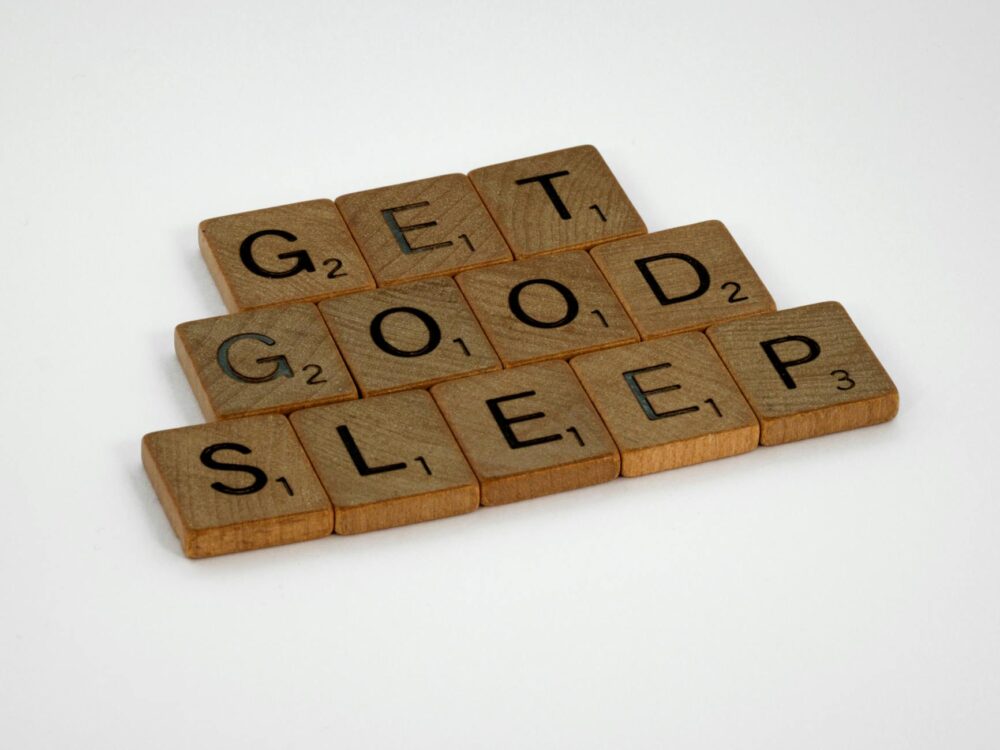
Nutrition and movement are vital, but without sleep, your body can’t fully reap the benefits. Sleep is your built-in recovery system—free, powerful, and available every night.
This week, try treating sleep with the same importance you give to your workouts or meals. Track how many hours you get, and notice how your energy, cravings, and mood shift when you give your body the rest it deserves.
How I Can Support You With Sleep, Energy, and Recovery
If sleep has felt inconsistent, stressful, or hard to improve on your own, you’re not alone. Many of my clients are juggling work, family responsibilities, hormonal changes, and busy schedules — all of which impact sleep more than people realize.
This is where personalized coaching can make a meaningful difference.
I can help you:
Identify the specific habits disrupting your sleep
(everyone’s triggers are different — for some it’s blood sugar swings, for others it’s stress, late eating, or inconsistent routines)
Build a realistic nighttime routine that actually fits your lifestyle
(no strict rules, no perfection, just small shifts that improve sleep over time)
Support your hormone health through exercise and nutrition
(which makes falling asleep and staying asleep easier)
Manage stress and nervous system regulation
(using practical tools like breathwork, journaling prompts, structured movement, and recovery strategies)
Create fitness programming that works with your sleep, not against it
(so you’re not training too hard on days you’re exhausted)
If you’re ready to improve your sleep, your recovery, and your overall energy in a sustainable way, I’d love to support you.
Reply to this email or reach out to book a session, and we can start building your personalized plan.
Supporting you in building a stronger foundation,
Chris