Here’s something most people don’t hear at their annual checkup:
As you age, you actually need more protein — not less.
Why?
Starting in your 30s and 40s, you naturally begin to lose muscle mass through a process called sarcopenia. Without enough protein — and strength training — this loss accelerates. The result? A slower metabolism, increased fat gain, reduced strength, and a higher risk of injury and fractures.
The fix is simple and empowering:
- Prioritize protein at every meal (aim for 25–35 grams per sitting)
- Space your protein intake evenly throughout the day (not just in one big dinner)
- Pair your protein intake with regular strength training for the best results
And no — this advice isn’t just for athletes or bodybuilders. It’s for anyone who wants to:
- Maintain steady energy levels
- Keep metabolism strong and efficient
- Stay active, independent, and strong as they age
Research strongly supports these recommendations
A 2018 review in the British Journal of Nutrition emphasized that older adults require higher protein intakes (up to 1.2–1.6 grams per kilogram of body weight per day) to maintain muscle mass and physical function. Additionally, a 2019 study published in Nutrients found that distributing protein evenly across meals leads to greater muscle protein synthesis compared to consuming most protein in one meal.
Protein also plays a vital role in supporting immune function, producing important enzymes and hormones, and maintaining skin, hair, and nail health. Combining protein intake with resistance training not only improves muscle size and strength but also enhances bone density and metabolic health. A study in the Journal of Gerontology highlighted that higher protein intake paired with strength training improved physical performance and reduced frailty in older adults.
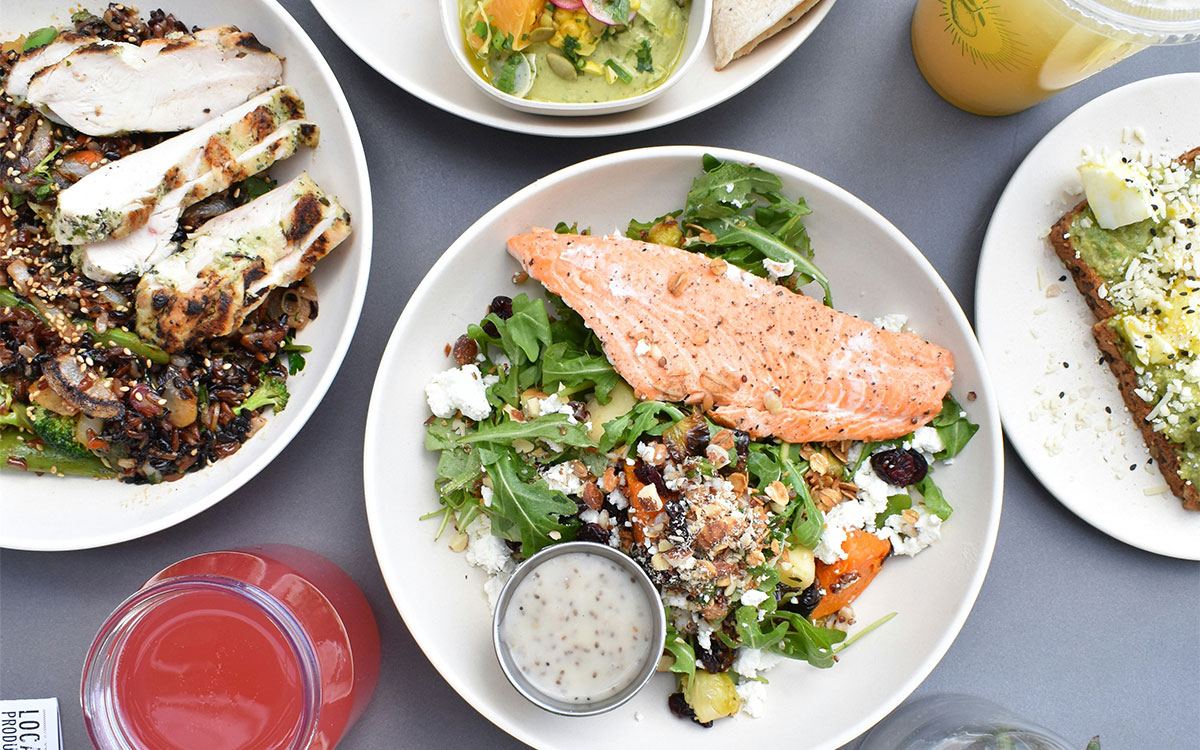
Practical strategies include adding protein-rich foods like eggs, Greek yogurt, cottage cheese, lean meats, fish, tofu, and beans to each meal. You can also include protein shakes or snacks to help meet your daily needs. Spacing protein intake evenly throughout the day — for example, 30 grams at breakfast, lunch, and dinner — helps maximize muscle protein synthesis and supports better overall recovery.
Whether you’re 35 or 65, protein is your ally in building a stronger, more resilient you.
Stay strong,
Chris