Before we dive into this topic, let’s clear up one of the biggest fitness myths.
Why Women Should Lift Heavy
One of the biggest myths in the fitness world?
“If women lift heavy weights, they’ll get bulky.”
Let’s bust this myth for good. Lifting heavy builds strength — not bulk. And for women, it’s one of the most powerful, transformative tools for improving nearly every aspect of health, performance, and daily life.
Why You Won’t Get Bulky
Women naturally have much lower levels of testosterone compared to men — roughly 10 to 20 times less — which makes it extremely difficult to gain large amounts of muscle mass without intentional, specialized training and nutrition (and often, supplementation).
Instead of getting bulky, most women who lift heavy weights become leaner, more toned, and develop that strong, athletic shape many desire. Heavier strength work promotes fat loss while revealing muscle definition, giving a more sculpted and confident look.
Boosting Metabolism and Supporting Fat Loss
Strength training helps you burn calories not just during your workout, but long after. Lifting heavy increases your resting metabolic rate (RMR), meaning you burn more calories at rest — a key factor in sustainable fat loss and maintenance.
Muscle tissue is metabolically active, so the more lean muscle you have, the more energy your body uses even while sitting or sleeping. Studies have shown that resistance training can elevate your metabolic rate for up to 48 hours post-exercise.
Hormonal Balance and Health
Strength training plays a powerful role in balancing hormones, which is essential for women at all stages of life. Lifting heavy can:
- Reduce excess cortisol levels (the stress hormone)
- Improve insulin sensitivity, which aids in stable energy levels and appetite regulation
- Support healthy levels of estrogen and growth hormone, contributing to better mood, metabolism, and tissue repair
- Help manage symptoms related to perimenopause and menopause by preserving muscle mass, supporting bone health, and improving energy
Bone Density and Osteoporosis Prevention
Women are at higher risk for osteoporosis, especially after menopause when estrogen levels decline. Lifting heavy weights creates mechanical stress on bones, stimulating osteoblasts (bone-building cells) and increasing bone mineral density (BMD).
A large meta-analysis published in Osteoporosis International showed that resistance training is one of the most effective interventions for improving BMD and reducing fracture risk in postmenopausal women. Regular lifting can literally help you stay upright, independent, and strong as you age.
Functional Strength for Daily Life
Strength training isn’t just about aesthetics — it’s about making everyday life easier. Lifting heavy improves:
- Your ability to carry groceries and lift luggage
- Picking up kids or grandkids without straining
- Climbing stairs and moving confidently on uneven ground
- Overall balance and coordination
Functional strength means maintaining independence, reducing fall risk, and enhancing quality of life far into your later years.
Mental Health and Confidence
Strength training has profound mental health benefits. It can help reduce symptoms of depression and anxiety by boosting endorphins and serotonin levels. A review in Sports Medicine confirmed resistance training’s strong link to reductions in depressive symptoms, regardless of age or health status.
In addition, consistently challenging yourself with heavier weights builds self-efficacy — the belief in your ability to succeed. This newfound strength often spills over into other areas of life, improving confidence at work, in relationships, and in personal pursuits.
Cardiovascular and Metabolic Health
While cardio is often highlighted for heart health, lifting heavy weights provides significant cardiovascular benefits too:
- Improved blood pressure
- Lower LDL (bad) cholesterol and increased HDL (good) cholesterol
- Enhanced circulation and blood vessel health
- Better glucose regulation and reduced diabetes risk
Combining strength training with other forms of movement, like walking or cycling, offers a powerful synergy for total heart and metabolic health.
Improved Joint Health and Injury Prevention
When done with proper form and progression, lifting heavy strengthens not just muscles, but also tendons and ligaments. It enhances joint stability and resilience, reducing injury risk both in the gym and in daily life.
Additionally, it can improve posture and core stability, counteracting the effects of modern sedentary lifestyles (like rounded shoulders and back pain from sitting at a desk).
Shifting the Social Narrative
Many women hesitate to enter the weight room due to outdated stereotypes or intimidation. By embracing strength training, you become part of a larger movement challenging the idea that women should only do “light” or “toning” workouts.
Owning your strength sends a powerful message to yourself and others: women can be strong, capable, and powerful — and there’s nothing more empowering than discovering what your body can truly do.
Collagen Production and Longevity
Strength training stimulates collagen production, which supports tendon, ligament, skin, and joint health. This helps maintain tissue elasticity and integrity, contributing to smoother movement and a more youthful appearance.
Moreover, lifting heavy helps preserve lean muscle mass (preventing sarcopenia), which is strongly linked to better health outcomes and lower mortality rates as we age. According to a 2017 study in the American Journal of Epidemiology, higher muscle strength is associated with a significantly lower risk of all-cause mortality.
How to Start Safely
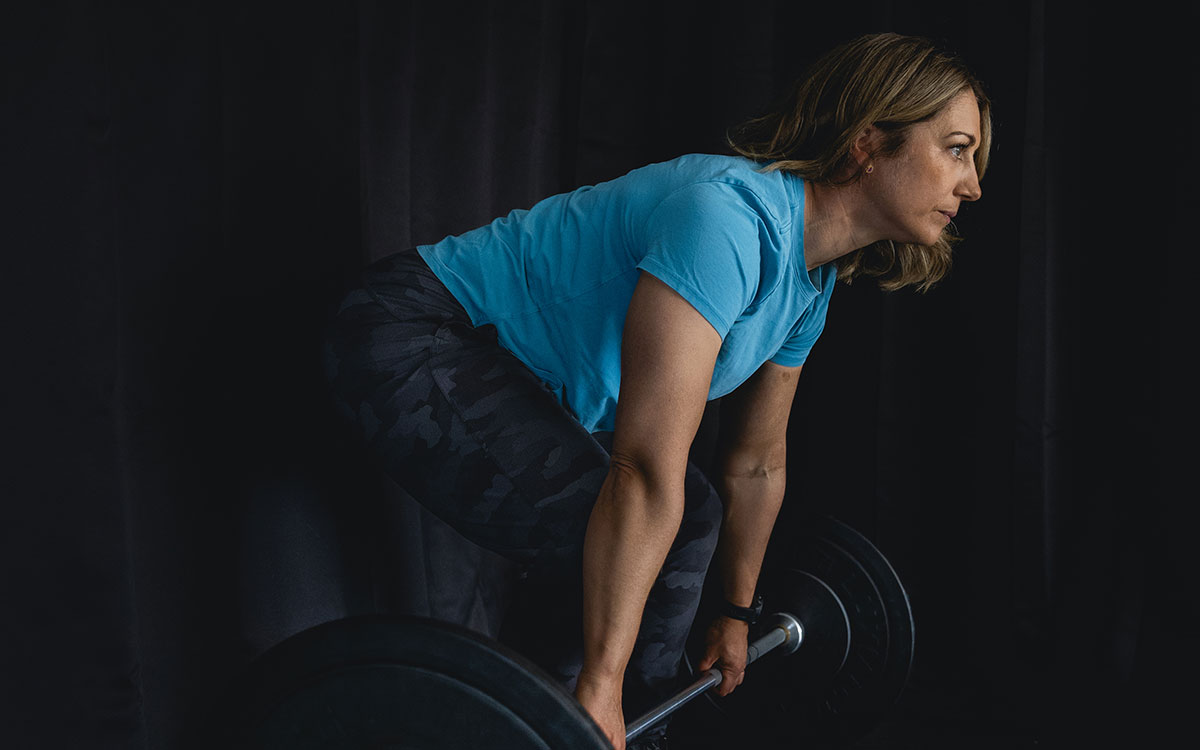
- Master the Basics First: Begin with foundational compound movements: squats, deadlifts, rows, and presses.
- Prioritize Form Over Load: Learn proper technique with lighter weights before progressing.
- Gradual Progression: Increase weights incrementally as your strength and confidence grow.
- Include Mobility Work: Improve joint health and prevent injury by incorporating mobility and flexibility exercises.
- Consider Professional Guidance: A certified coach can customize your program, ensure safe progression, and keep you accountable.
Creating a Well-Rounded Program
A balanced week might include:
- 2–3 full-body strength sessions focusing on large muscle groups
- Low-impact cardio or mobility work on alternate days (walking, yoga, cycling)
- Recovery strategies such as stretching, adequate sleep, and proper nutrition
Remember, strength gains happen during rest and recovery — not just in the gym!
Your Invitation to Get Strong
If you’ve been hesitant to pick up heavier weights, let this be your permission slip. You are capable of far more than you think. Lifting heavy can change your body, your mind, and your life in ways you might not imagine — until you experience it for yourself.
Ready to start?
If you’d like a personalized, science-backed program designed for your goals and lifestyle, I’m here to guide you every step of the way.
Strong feels better,
Chris